
Related Posts
- ▶ What to Inspect in Beiyi Steel Hot Rolled Plate Packing Before Ocean Dispatch
- ▶ How Beiyi Steel Protects Hot Rolled Plates from Moisture During Ocean Shipping
- ▶ Will Transit Rust on Galvanized Steel Coil Qualify for Replacement?
- ▶ How thick should wear resistant steel plate be for abrasive service?
- ▶ How should galvanized steel coil be stored to prevent white rust?
- ▶ Steel Production Capacity Soars with Technological Advancements and Strategic Investments
Send Us A Message
Will Transit Rust on Galvanized Steel Coil Qualify for Replacement?
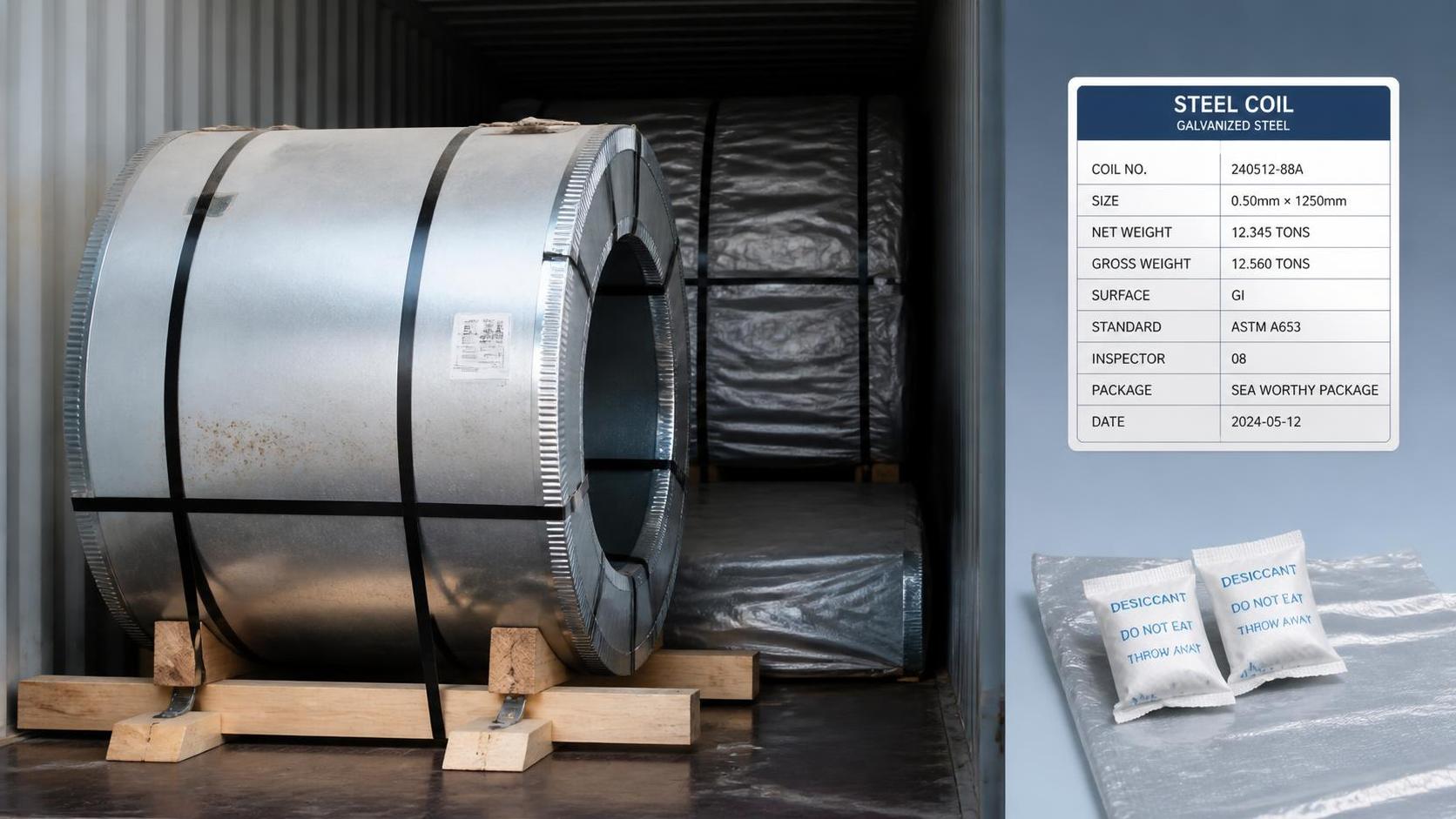
Will Transit Rust on Galvanized Steel Coil Qualify for Replacement?
When galvanized steel coil arrives with rust concerns, buyers need fast, evidence-based support to protect project schedules and costs. Replacement eligibility depends on facts, not assumptions.
Can I get replacement quickly if galvanized steel coil rusts during transit? Often yes, but speed depends on inspection records, packaging condition, contract terms, and prompt supplier communication.
Start With the Practical Answer: Rust Does Not Automatically Mean Full Replacement
Visible corrosion on arrival is a legitimate quality concern, especially for exposed building panels, appliance parts, automotive components, and coated fabrication applications requiring clean surfaces.
However, not every brown mark means the galvanized steel coil has lost its protective performance or automatically qualifies for replacement under a supply agreement.
Buyers should first distinguish superficial storage staining, known as white rust or wet-storage stain, from red rust indicating possible zinc-coating failure or substrate corrosion.
Replacement is more likely when corrosion materially affects specified coating weight, appearance requirements, forming performance, paint adhesion, downstream processing, or the intended service life.
For industrial purchasing teams, the correct question is not simply whether rust exists. It is whether the delivered coil conforms to agreed specifications and contractual acceptance criteria.
A supplier can evaluate the issue faster when the buyer provides clear evidence before unloading, slitting, recoiling, painting, or otherwise altering the material.
What Type of Transit Rust Has Been Found?
Galvanized coils can develop several different surface conditions during ocean freight, inland transportation, port storage, or temporary warehouse handling. Each condition requires a different response.
White rust commonly appears as powdery, chalky, or cloudy deposits. It often develops when moisture remains trapped between tightly packed zinc-coated surfaces without adequate ventilation.
Light white rust may be largely cosmetic, although it can reduce appearance quality and complicate later passivation, painting, or coating operations if extensive.
Red rust is more serious because it generally suggests that moisture reached the steel substrate through insufficient zinc protection, mechanical damage, severe corrosion, or exposed cut edges.
Brown staining can also originate from contaminated packaging, rusted steel strapping, wet wooden supports, port dust, or contact with non-galvanized materials during transport.
Coil-edge corrosion deserves close attention. Exposed edges are naturally more vulnerable, but severe penetration beyond normal edge staining may indicate packaging or shipment protection problems.
Do not rely solely on photographs taken from a distance. Close images, coil identification details, and physical inspection results are needed to determine the actual condition.
How to Inspect Galvanized Coil Before Making a Claim
Inspect the shipment immediately after opening the container, truck, or warehouse delivery. Delayed notification creates uncertainty about whether corrosion occurred before or after receipt.
Begin by checking the external packaging. Record torn waterproof paper, punctured wrapping, wet covers, broken straps, damaged edge protectors, and signs of standing water.
Photograph every affected coil from several angles. Include the coil number, heat number, packing label, container number, seal number, and surrounding shipment condition in the record.
Take photographs before removing protective layers whenever possible. This helps establish whether moisture was present inside the packaging when the shipment was first opened.
Inspect representative areas across the coil width, including the outer wrap, inner wraps, edges, and accessible surfaces. Note whether corrosion is localized or broadly distributed.
Measure the affected length where practical. For example, identify whether staining appears only on the first few outer turns or continues through substantial coil footage.
Record the delivery date, unloading time, weather conditions, receiving warehouse condition, and any observed container leakage. These details can materially affect responsibility assessment.
If the claim value is significant, appoint an independent surveyor before processing the coil. A third-party report can reduce disputes involving carriers, insurers, and suppliers.
Which Documents Determine Whether Replacement Is Justified?
The purchase contract is the first reference point. It should define material grade, zinc coating designation, surface quality, packing requirements, inspection rights, and claim deadlines.
Review whether the order specifies commercial quality, drawing quality, exposed surface quality, pre-painting suitability, or another appearance-sensitive requirement. Surface acceptance varies substantially by application.
A mill test certificate confirms the ordered steel grade and coating data, but it does not alone prove that transit handling preserved the delivered surface condition.
The bill of lading, packing list, container loading photographs, seal records, and shipping marks help trace custody from supplier warehouse to final destination.
Shipping insurance documents matter when corrosion is associated with seawater ingress, container damage, flooding, cargo sweat, or other transportation-related events outside supplier control.
Clear Incoterms are equally important. Under FOB, CIF, CFR, DAP, or DDP arrangements, risk transfer may occur at different stages of the shipment journey.
Buyers should check the agreed claim procedure before making demands. Some contracts require notice within a defined number of days and require preservation of affected material.
A well-prepared claim package demonstrates commercial discipline. It also gives the supplier enough information to decide whether replacement, credit, sorting, or technical disposition is appropriate.
Who Is Responsible: Supplier, Carrier, Insurer, or Receiving Party?
Responsibility cannot be determined solely by where rust was discovered. Corrosion may result from material condition, insufficient packing, vessel conditions, damaged containers, or destination storage practices.
The supplier may be responsible when coils were inadequately dried, improperly wrapped, packed with damaged materials, loaded into a wet container, or shipped contrary to agreed packing standards.
The carrier may bear responsibility when container damage, water ingress, mishandling, excessive delay, or poor cargo protection occurred after risk transferred under the contract.
Insurance may respond when covered transport events caused physical loss or damage. Buyers should notify insurers quickly because late reporting can weaken recovery options.
The receiving party may share responsibility if coils remained unopened in a humid environment, were exposed to rain during unloading, or were stored directly on wet floors.
Condensation inside containers, often called container sweat, requires careful analysis. It may arise from temperature changes during transit rather than obvious external leakage or poor packing.
For this reason, assign responsibility only after reviewing evidence. Premature accusations can delay practical resolution and damage commercial cooperation with otherwise reliable supply partners.
Can I Get Replacement Quickly if Galvanized Steel Coil Rusts During Transit?
Yes, a quick replacement may be possible when the claim is documented early, the affected quantity is clearly identified, and the supplier accepts responsibility under the agreed terms.
Speed is usually highest when the buyer provides a complete evidence package within twenty-four to forty-eight hours of discovery and keeps the material available for inspection.
Suppliers can act faster when the buyer separates affected coils from unaffected stock. This prevents an entire shipment from being placed on hold unnecessarily.
Immediate replacement is more feasible for standard galvanized coil grades, common thicknesses, popular widths, and regular zinc coating weights already available in inventory.
Custom widths, special spangle requirements, thick coating designations, uncommon grades, or customer-specific processing may require new production and a longer replacement lead time.
When projects cannot wait, ask the supplier about alternative stock. A technically equivalent coil may protect production continuity while the formal claim is being finalized.
A partial replacement can be more practical than waiting for a complete shipment. Prioritize the quantity required for urgent production orders or installation milestones.
In some cases, a commercial credit, price adjustment, or replacement on the next shipment may create less disruption than returning coils across international transport routes.
What Replacement Options Should Buyers Request?
Replacement is not a single remedy. Buyers should ask for the resolution that best protects production, customer commitments, cash flow, and the actual usability of the coils.
For severe red rust, widespread wet-storage damage, or material unsuitable for specified appearance requirements, full replacement of affected coils may be the appropriate solution.
For limited outer-wrap staining, suppliers may propose trimming, removing damaged turns, surface cleaning, or using the coil for non-exposed components after technical confirmation.
A credit note can be appropriate where the coil remains usable in a lower-grade application. The discount should reflect processing loss, downgraded value, and operational inconvenience.
Replacement freight should be discussed explicitly. Even when material replacement is accepted, responsibility for expedited freight, destination charges, and disposal costs may differ by contract.
Ask whether replacement coils will be dispatched from existing inventory, diverted from a scheduled shipment, or produced specifically. This determines realistic delivery timing.
For urgent cases, request a written action plan stating affected quantity, remedy, shipment date, expected arrival, documentation required, and the person responsible for updates.
How to Prevent Transit Rust on Future Galvanized Coil Orders
The best claim process is one rarely needed. Buyers can reduce transit-rust exposure by defining packaging and moisture-control requirements before placing the purchase order.
Specify seaworthy export packing suitable for the expected route and destination climate. This commonly includes waterproof wrapping, metal outer protection, edge protection, and secure strapping.
Ask the supplier to confirm that coils will be packed dry and loaded into clean, dry containers without holes, odor, visible moisture, damaged floors, or contaminated residues.
Desiccants can help control humidity during ocean transit, particularly on long routes or shipments passing through major temperature variations. Their use should match cargo and container conditions.
Request container loading photographs showing the floor condition, coil placement, blocking, bracing, wrapping condition, and desiccant placement before the container doors are sealed.
Ensure coils are elevated during warehouse storage after arrival. Keep them away from wet floors, open doors, condensation-prone walls, and direct rain exposure during unloading.
Use first-in, first-out inventory control. Long storage periods increase corrosion risk, particularly in humid warehouses where protective packaging may become damaged or degraded over time.
For high-value projects, include a pre-shipment inspection requirement. Independent checks can confirm coil identification, surface condition, packing quality, quantity, and loading readiness before dispatch.
What Buyers Should Include in a Transit Rust Claim Email
A concise, factual claim email usually accelerates review more effectively than an emotional complaint. State the purchase order number, shipment reference, delivery date, and affected coil numbers.
Describe the observed condition precisely. Identify whether the issue is white rust, red rust, edge corrosion, water staining, damaged packaging, or suspected container moisture.
Attach timestamped photographs, unloading records, packing images, survey reports, and a preliminary estimate of affected quantity. Avoid processing the coils before receiving written guidance.
State the operational impact clearly. Explain whether production has stopped, whether the material is for exposed panels, and when a replacement quantity is required on site.
Request a specific remedy rather than merely reporting a problem. For example, ask for inspection, replacement stock availability, credit evaluation, or a proposed shipment schedule.
Maintain one communication thread with clear attachments and named contacts. This helps commercial, quality, logistics, and insurance teams coordinate without losing critical evidence.
Choosing a Supplier That Can Resolve Problems Efficiently
Fast resolution depends partly on supplier capability. A supplier should understand galvanized steel specifications, export packing, shipping documentation, and practical downstream fabrication requirements.
Before ordering, ask how the supplier handles transit-damage claims. Look for defined communication channels, traceable coil records, inspection support, and realistic remedy options.
A capable export supplier should also explain limitations honestly. Not every transit rust case is a manufacturing defect, and not every damaged coil requires complete replacement.
Beiyi Steel supports global distributors, fabricators, and project buyers with galvanized and pre-painted steel coils, technical communication, inspection coordination, secure packing, and workable export solutions.
For buyers, the commercial value lies in receiving clear specifications, traceable documentation, responsive claim communication, and practical options when shipment conditions create unexpected surface concerns.
Conclusion: Act Fast, Preserve Evidence, and Focus on Usability
Transit rust on galvanized steel coil can qualify for replacement, particularly when corrosion is substantial, documented promptly, and inconsistent with agreed material or packing requirements.
The fastest path is to inspect immediately, preserve packaging evidence, identify affected coils, review contractual risk terms, and submit a complete claim with a practical remedy request.
Buyers should judge each case by severity, application requirements, usable quantity, and contractual responsibility. That approach protects both project schedules and long-term supply relationships.
DROP A MESSAGE